Six Months Without a Closet: What My Wardrobe Editing Revealed
Living in a small apartment for years, I’d grown accustomed to creative storage solutions. But when I moved into a renovated loft with absolutely no built-in closet, I faced a new level of minimalism: six months without a traditional closet. No sliding doors, no built-in rods, no shelves. Just an empty wall in my bedroom and a profound challenge to my existing wardrobe. I initially panicked, envisioning piles of clothes and endless chaos. How could a functional adult, especially someone who writes about home organization, operate without a dedicated space for their attire? What I quickly discovered, however, was that this constraint wasn’t a punishment; it was an unexpected opportunity to fundamentally rethink my relationship with my clothes, my shopping habits, and my personal style.
My closet, or lack thereof, forced me into an extreme form of editing. I couldn’t just shove things away. Every item had to justify its existence, its space on a freestanding rack, or its neatly folded position in a dresser. This wasn’t about decluttering an already full space; it was about curating a collection from scratch under severe limitations. The process, while initially daunting, revealed surprising insights that have permanently reshaped how I view my wardrobe and consumption.
Key Takeaways
- Eliminating a traditional closet forces ruthless editing, revealing how few items you truly wear and need.
- Investing in high-quality, versatile pieces significantly reduces overall wardrobe size and decision fatigue.
- Understanding your personal style becomes effortless when storage constraints prevent impulse purchases.
- The ‘one in, one out’ rule transforms into an immediate, non-negotiable reality, fostering conscious consumption.
The Wardrobe Weight Loss Was Immediate and Liberating
Before the move, I considered myself a reasonably organized person. I had a capsule-ish wardrobe, or so I thought. My old closet, while not massive, was always full. Moving into the loft, I realized just how much ‘just in case’ and ‘I might wear this someday’ clothing I actually owned. Without a dedicated closet, I was forced to confront every single item directly. My initial sorting session yielded shocking results. Out of nearly 150 pieces of clothing (excluding activewear and pajamas), I realized only about 40 were truly ‘must-haves’ that I wore regularly. The rest were aspirational, ill-fitting, or simply forgotten. In my experience, most people vastly underestimate the sheer volume of clothes they own versus the percentage they actually wear.
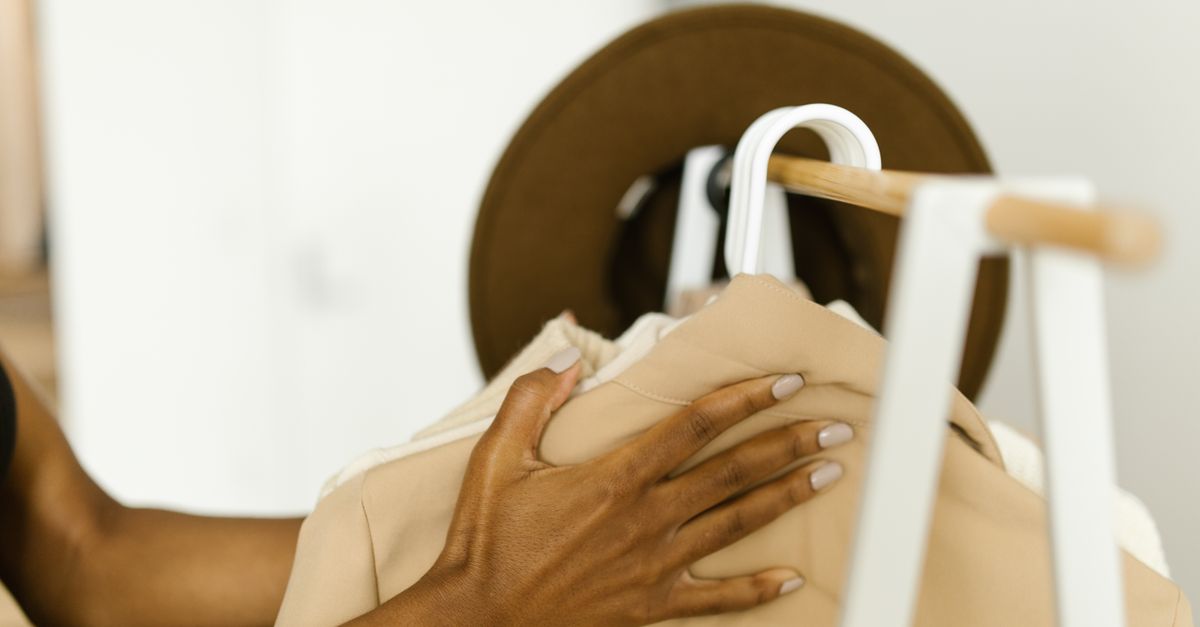
What changed everything for me was the immediate visual feedback. My temporary solution was a single, sleek freestanding clothes rack and a small, four-drawer dresser. Every item had to fit. If it didn’t, it couldn’t stay. This wasn’t a ‘maybe’ pile; it was a ‘no’ pile. The liberation was profound. Instead of staring at a crammed closet, feeling overwhelmed by choices, I saw a carefully selected collection. Dressing became faster, less stressful, and surprisingly more enjoyable. I stopped seeing a full wardrobe as a sign of abundance and started seeing it as a burden of choice and maintenance.
Versatility Outperformed Volume Every Time
With limited space, every piece I kept had to earn its spot by being incredibly versatile. This wasn’t a new concept to me, but the “no closet” rule elevated it from a good idea to an absolute necessity. I found myself instinctively reaching for items that could be dressed up or down, layered, or paired with multiple other pieces. A simple black cashmere sweater, for instance, became my work staple, my weekend casual, and even a cozy evening layer. A pair of well-fitting dark wash jeans transformed from a basic to a foundational piece for countless outfits.
The mistake I see most often, and one I was guilty of, is buying clothes for specific, rare occasions or fleeting trends. Without a closet, there was no room for a dress I’d wear once a year or a top that only matched one particular skirt. What worked instead was a strict mental filter: can this item be worn in at least three different scenarios or combined with at least five other items I own? If the answer was no, it went into the donation pile. This approach dramatically reduced my daily decision fatigue. When every item is a ‘yes,’ there are no wrong choices when getting dressed, only different combinations.
My Personal Style Emerged, Unburdened by Trends
One of the most unexpected benefits of my closet-less experiment was the clarity it brought to my personal style. For years, I’d chased trends, bought items because they were on sale, or succumbed to the allure of a perfectly curated Instagram feed. My actual style, however, was often lost in the noise of too many options. When forced to pare down, I realized a few key themes: comfort, quality fabrics, timeless silhouettes, and a preference for a relatively neutral color palette with a few strategic pops of color.
Without a sprawling closet to hide my impulse buys, every purchase became intentional. I’d pause, visualize where the new item would live on my rack or in my dresser, and consider its aesthetic fit with the existing, meticulously chosen pieces. This slowed down my shopping significantly. I stopped buying things just because they were ‘cute’ or ‘on sale’ and started investing in pieces that genuinely reflected who I am and how I wanted to present myself. What changed everything for me was understanding that true style isn’t about having more; it’s about having exactly what resonates with you, and only that.
The “One In, One Out” Rule Became a Non-Negotiable Reality
I’d always advocated for the “one in, one out” rule as a good organizational practice. But, let’s be honest, in a traditional closet, it’s easy to bend or break that rule. A new shirt comes in, and an old one might eventually go out, or it simply gets pushed to the back. When your entire wardrobe hangs on a single rack, a new shirt literally cannot come in unless another one leaves. There is no ‘back of the closet.’ This immediate, unavoidable consequence instilled a level of conscious consumption I hadn’t achieved before.
This isn’t just about physical space; it’s about a mental shift. Each potential new purchase was weighed against an existing item. Is this new sweater truly better than the one I already have? Does it offer more versatility, comfort, or joy? If not, the purchase was easily abandoned. The mistake I see most often is treating “one in, one out” as a suggestion rather than a strict boundary. What actually works, in my experience, is when that boundary is physically enforced, making the decision tangible and immediate.
Reclaiming Time and Mental Energy
Beyond the tangible benefits of a smaller, more curated wardrobe, the biggest impact was on my daily routine and mental well-being. The once-dreaded task of choosing an outfit became a quick, seamless process. Gone were the mornings spent rifling through clothes, feeling like I had nothing to wear despite a closet full of options. My limited options were all good options, reducing decision fatigue before my day even truly began.
This freed up mental energy for more important decisions and creative tasks. It’s not just about saving five minutes in the morning; it’s about starting the day with a sense of calm and control, rather than frustration. What changed everything for me was realizing how much cognitive load an overflowing wardrobe had been secretly carrying, and how much lighter I felt once that burden was lifted.
Frequently Asked Questions
How did you store formal wear or seasonal items without a closet?
Formal wear was reduced to one versatile dress and one suit, stored in garment bags on the freestanding rack. Off-season items (heavy winter coats in summer, for example) were kept in a single under-bed storage bin. This meant a quarterly swap, which reinforced the need for truly essential items in each season.
What if I have a job that requires a lot of specific work attire?
My work is hybrid, but even if it were entirely in-office, the principle of versatility still applies. Focus on foundational pieces like quality blazers, trousers, and skirts that can be mixed and matched. Invest in fewer, high-quality pieces that hold up well to frequent wear and look polished. The challenge isn’t having ‘enough’ different outfits, but having outfits that are easily reconfigured and maintain a professional aesthetic.
How do you handle shoes and accessories without a dedicated closet space?
Shoes were stored on a small, vertical shoe rack next to my clothes rack, limiting me to about 8-10 pairs. Accessories like scarves, belts, and jewelry were kept in a dedicated drawer in my dresser or hung on a small over-the-door organizer. The key was visible storage for easy access but strict limits to prevent accumulation.
Did you find yourself buying new clothes more often due to fewer options?
Surprisingly, no. The “one in, one out” rule and the constant visual reminder of limited space actually reduced my impulse buying. Every potential purchase felt like a direct trade-off for something I already owned, making me much more selective. I bought fewer items, but those I did acquire were more intentional and higher quality.
What if I don’t want to get rid of most of my clothes?
The goal isn’t necessarily to get rid of everything, but to understand what truly serves you. My experience showed me that many items were simply taking up space without adding value. Even with a full closet, you can apply the lessons of intentionality and versatility. Try a ‘clothing audit’: turn all your hangers backward. After six months, any hanger still turned backward holds an item you haven’t worn and might consider letting go of.
My six months without a closet transformed my relationship with my wardrobe from a constant struggle against clutter to a peaceful, curated experience. It wasn’t just about getting rid of clothes; it was about gaining clarity, reducing decision fatigue, and fostering a more conscious approach to consumption. While I may eventually add a small, discreet storage solution, I’ll never return to the days of a packed, overflowing closet. The lessons learned in that empty space are far too valuable.
Written by Maya Rodriguez
Home organization, time management, community engagement
A retired urban planner with a knack for simplifying complex systems into manageable steps.
You Might Also Like

60 Minutes to a Cleaner Home: Why Most Speed Cleaning Fails
Discover why common speed-cleaning methods don't work for lasting results and how a strategic 60-minute approach actually transforms your home.

7 Non-Obvious Reasons Your Car Won't Start (Beyond a Dead Battery)
Discover 7 unexpected reasons your car won't start, from parasitic drains to fuel system quirks, beyond the usual dead battery diagnosis.

A Clicking Car Engine Does Not Always Point to the Battery
Many assume a clicking car engine means a dead battery. Learn why this common belief overlooks other crucial issues.