
Six Months Without a Clothes Dryer: My Unexpected Laundry Shift
When my old clothes dryer sputtered its last cycle six months ago, I faced a dilemma. Do I immediately buy a new one, or do I embrace a more traditional, air-drying approach? As someone committed to sustainable choices and always looking for ways to simplify daily life, I decided to take the plunge: six months without a dryer. What started as an experiment quickly became a transformative shift in how I approached laundry, my energy bills, and even my relationship with my clothes.
My initial motivation was purely financial and environmental. Dryers are notorious energy hogs. I’d read countless articles about their impact, but like many, I assumed they were a necessary evil for modern living. The thought of wrestling with damp clothes and trying to find space in my small apartment was daunting. Yet, the persistent hum of the old dryer, the significant chunk it took out of my electricity bill, and the feeling of contributing to energy waste always nagged at me. So, with a deep breath and a new drying rack, I began my journey.
What I discovered was far more profound than just saving a few dollars or reducing my carbon footprint. It forced me to slow down, to be more intentional about my laundry, and to truly understand how different fabrics behave. I learned to appreciate the simple freshness of line-dried sheets and the quiet satisfaction of a task completed without a single watt of electricity. This wasn’t just about laundry; it was about re-evaluating convenience against consciousness, and the unexpected benefits that can emerge when you challenge a deeply ingrained habit.
Key Takeaways
- Air-drying clothes significantly reduces energy consumption and utility bills, often more than anticipated.
- The process fosters a deeper understanding of fabric care and prolongs the lifespan of garments.
- Strategic planning, including investing in the right drying racks and understanding weather patterns, is crucial for efficiency.
- Embrace the slower pace of air-drying as an opportunity for mindfulness and a connection to sustainable living.
Drastically Lowering My Energy Bill: The Unexpected Financial Win
The most immediate and measurable impact of ditching the dryer was on my electricity bill. Before this experiment, my monthly electricity bill averaged around $90-$110, with the dryer easily contributing a noticeable portion, especially during weeks with heavy laundry loads. I live in a moderately sized apartment, and the dryer was one of the few heavy-duty appliances I owned. I expected some savings, but the actual reduction was staggering. In the first month alone, my bill dropped to $65. Over six months, this translated to nearly $200 in savings – money I could reallocate to other financial goals or simply enjoy guilt-free.
The mistake I see most often is underestimating just how much energy a dryer consumes. We often focus on big ticket items like heating and cooling, but the dryer runs hot, often for an hour or more per load, several times a week. Its heating element is a power guzzler. What changed everything for me was seeing the numbers in black and white. When you remove a major appliance from your energy consumption, the difference is undeniable. This wasn’t a subtle change; it was a clear, tangible financial benefit that made the initial inconvenience of air-drying completely worth it. I now track my energy usage more closely, and it’s clear the dryer was a silent drain on my budget, one I’m now liberated from.
Unlocking Longer Lifespan for My Clothes: A Gentle Approach to Fabric Care
Beyond the financial savings, I quickly realized the profound impact air-drying had on my clothes. My wardrobe isn’t extensive, but I invest in quality pieces. Previously, I noticed my clothes wearing out faster than they should – faded colors, stretched elastic, and a general dullness that set in after just a few months. I blamed the fabric or my washing machine, but the true culprit, I discovered, was often the harsh environment of the dryer.
The intense heat and tumbling action of a conventional dryer are incredibly damaging to fabric fibers. They cause shrinkage, fading, and can break down elastic over time. With air-drying, my clothes retained their original shape, the colors stayed vibrant, and delicate items, like my wool sweaters and silk blouses, felt softer and looked newer for much longer. I noticed less pilling on knits and no more mysterious holes appearing in my t-shirts. My denim held its fit better, and even my towels, while not quite as fluffy as a dryer-fluffed towel, were still absorbent and felt much more substantial.
This shift forced me to be more mindful about fabric care. I learned to gently squeeze excess water from items, to reshape sweaters before hanging, and to appreciate how different fabrics respond to air. It’s a slower process, yes, but it’s a process that respects the garment and extends its life significantly. This means I buy fewer clothes, which aligns perfectly with my ethical living values and reduces my overall environmental impact, creating a virtuous cycle of sustainability.
Mastering the Art of Strategic Drying: Space, Airflow, and Weather
One of my biggest concerns initially was finding space and dealing with perpetually damp laundry. My small apartment has no dedicated laundry room, so I had to get creative. This is where strategic drying became an art form. I invested in two high-quality, collapsible drying racks that could be easily stored when not in use. I also experimented with different hanging techniques to maximize airflow and minimize drying time.
For instance, I learned that hanging shirts on hangers drastically reduces wrinkles and speeds drying. Trousers dry faster when hung by the waistband. Heavy items like jeans benefit from being hung over two lines to allow air to circulate around both sides. I also started using the natural light and warmth from my windows, positioning racks strategically throughout the day to catch the sun. On days with higher humidity or rain, I used a small oscillating fan near the drying racks to improve airflow, which made a surprising difference.
Understanding weather patterns became a new skill. A sunny, breezy day became a prime opportunity to dry clothes outside on a small balcony rack, yielding that incredible, fresh-air scent that no dryer sheet can replicate. On rainy days, I knew to plan lighter loads or prepare to use the fan. This wasn’t about being rigid, but about being adaptable and understanding the natural elements. It transformed laundry from a mundane chore into a more engaged and even satisfying process, where I was actively working with my environment, not against it.
Embracing the Slower Pace: A Lesson in Mindfulness and Intentional Living
Perhaps the most unexpected benefit of my dryer-free experiment was the shift in my mindset. Modern life often pushes us towards speed and instant gratification. Laundry, for many, is a task to be completed as quickly as possible. The dryer symbolizes that efficiency: wash, dry, fold, done. By removing this quick-fix solution, I was forced to embrace a slower pace.
This wasn’t always easy. There were days I wished I could just toss a load in and have it ready in an hour. But those moments were outweighed by the quiet satisfaction of the process. Hanging clothes became a meditative act – a few minutes to simply focus on the task, feel the fabric, and appreciate the simple act of caring for my belongings. The absence of the dryer’s hum brought a new layer of quiet to my home, especially during my work-from-home days.
This enforced slowness extended to other areas of my life. I started planning my laundry more thoughtfully, running loads when I knew I’d have time to hang them, rather than just whenever the hamper was full. This increased intentionality bled into other routines, making me more aware of my consumption, my energy use, and the pace of my daily life. It was a subtle but powerful lesson in appreciating the journey, not just the destination, and finding a deeper connection to the everyday acts that shape our lives.
Frequently Asked Questions
How long does it actually take to air-dry clothes indoors?
In my experience, light items like t-shirts and underwear can dry in 4-6 hours on a good day with decent airflow. Heavier items like jeans or towels can take 12-24 hours. Using an oscillating fan dramatically speeds up the process, often cutting drying time in half, especially for thicker fabrics.
Do air-dried clothes feel stiff or crunchy?
This can happen, especially with towels, if they dry without any agitation. However, I found that giving items a good shake before hanging, and occasionally during the drying process, helps immensely. For towels, a quick toss in the dryer on a no-heat fluff cycle for 5 minutes after they’re mostly dry can make them softer, though I often skip this step for the energy savings.
What about wrinkles? Isn’t air-drying worse for wrinkles?
Actually, I found the opposite for many items. Hanging shirts and trousers on hangers immediately after washing, smoothing them out, and letting gravity do its work significantly reduces wrinkles. Many items come off the rack ready to wear or need only a quick touch-up with an iron, which is often less effort than de-wrinkling dryer-baked clothes.
Is there a risk of mold or mildew if clothes don’t dry quickly enough?
Yes, if clothes remain damp for too long in a poorly ventilated space, mold or mildew can be a concern. The key is good airflow and not overloading your drying racks. Spacing items out, opening windows, and using a fan are crucial. I’ve never had an issue with mold or mildew by following these practices.
What kind of drying racks work best for small spaces?
Collapsible, multi-tiered racks are excellent for maximizing vertical space and easy storage. Over-the-door racks or shower rod extenders can also be useful for smaller loads or delicate items. Prioritize racks with sturdy construction and ample hanging space to avoid overcrowding.
Conclusion
My six-month experiment without a clothes dryer was initially driven by practical concerns, but it yielded far more than expected. From significant energy bill savings to a newfound appreciation for fabric longevity and a more mindful approach to daily tasks, this simple change transformed a routine chore into a sustainable practice. It proved to me that sometimes, the most impactful shifts come from re-evaluating our reliance on convenience and embracing simpler, more intentional ways of living. If you’re looking for a way to save money, extend the life of your clothes, and inject a little more mindfulness into your day, I highly recommend giving air-drying a try. You might be surprised at what you gain.
Written by Sarah Chen
Nutrition, quick recipes, stress reduction, sustainable choices
A freelance chef and small business owner passionate about health, wellness, and efficient living.
You Might Also Like

60 Minutes to a Cleaner Home: Why Most Speed Cleaning Fails
Discover why common speed-cleaning methods don't work for lasting results and how a strategic 60-minute approach actually transforms your home.

7 Non-Obvious Reasons Your Car Won't Start (Beyond a Dead Battery)
Discover 7 unexpected reasons your car won't start, from parasitic drains to fuel system quirks, beyond the usual dead battery diagnosis.
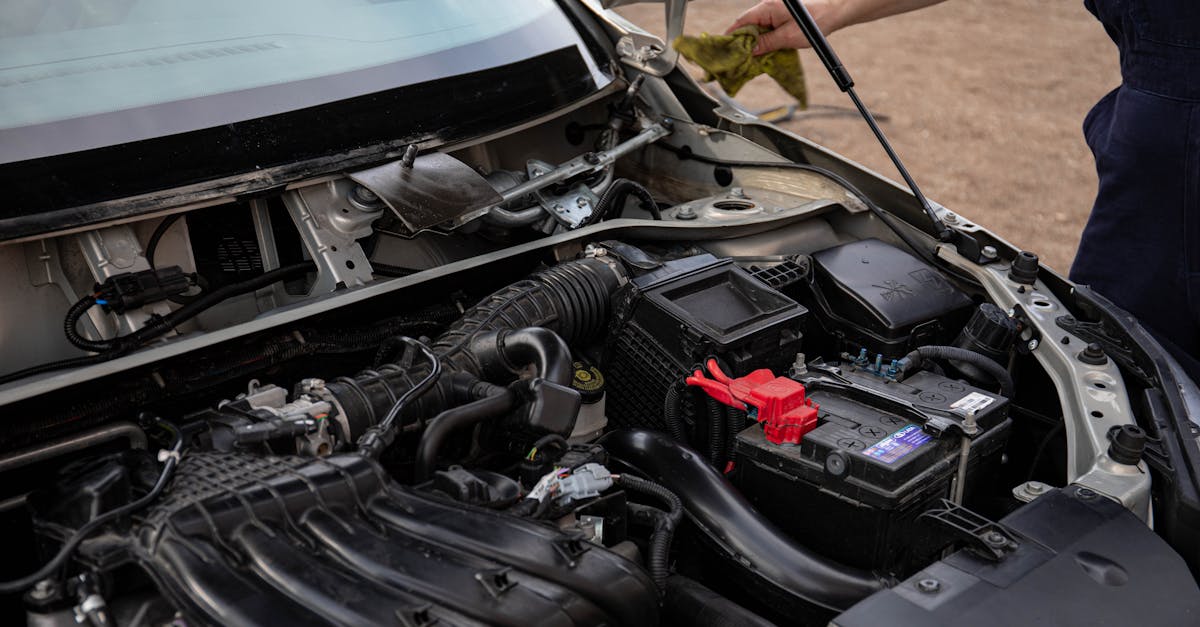
A Clicking Car Engine Does Not Always Point to the Battery
Many assume a clicking car engine means a dead battery. Learn why this common belief overlooks other crucial issues.