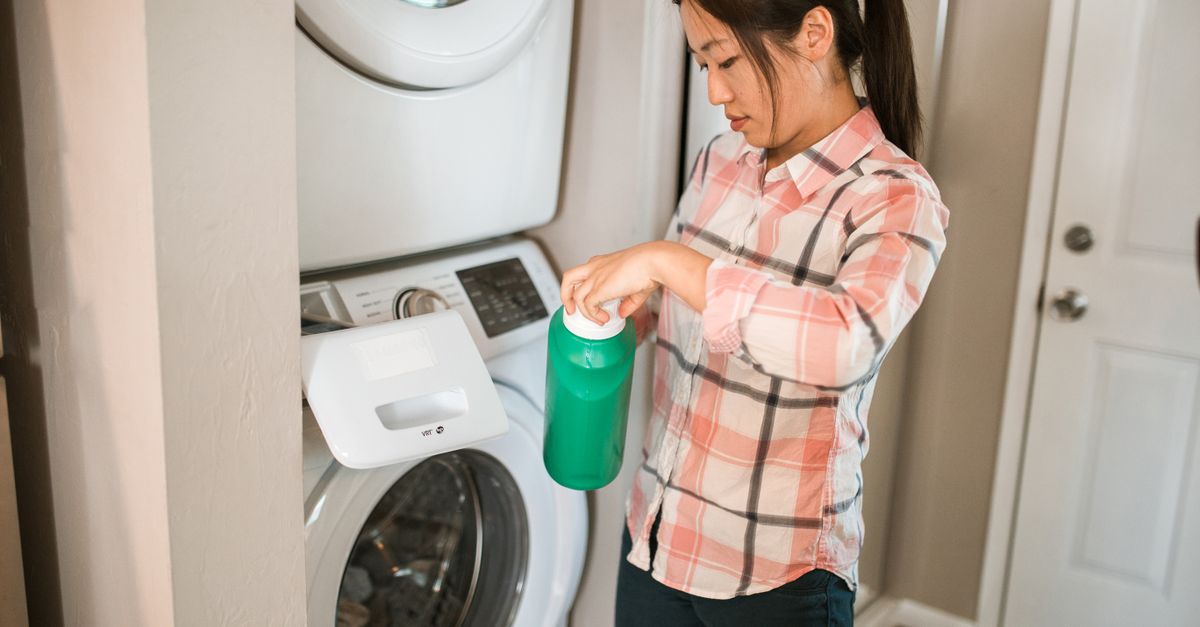
Six Months Without Laundry Detergent: What I Learned About Truly Clean Clothes
For years, my laundry routine was a mindless cycle: sort, load, pour in the detergent, push start. I bought into the idea that more suds equaled more clean, and that the strong scent of ‘fresh linen’ was proof of a job well done. But a persistent skin sensitivity, coupled with a growing concern about environmental impact and the sheer volume of plastic bottles piling up, led me to a radical idea: what if I just stopped using laundry detergent?
My family thought I was crazy. My husband pictured us walking around in dingy, smelly clothes. I, too, had my doubts. Could clothes really get clean without the chemical concoction I’d relied on my entire adult life? I decided to embark on a six-month experiment, vowing to find alternatives and truly understand what it means to get clothes clean. What I discovered not only changed my laundry routine but fundamentally shifted my perspective on cleanliness, consumption, and the effectiveness of everyday products.
Key Takeaways
- Eliminating traditional laundry detergent reveals that excessive suds are not a proxy for true cleanliness.
- Effective pre-treatment and targeted stain removal are far more critical than relying on a general washing agent.
- Understanding water quality and machine maintenance significantly impacts laundry results without detergent.
- Natural alternatives and strategic drying methods can leave clothes genuinely fresh and odor-free.
The Overlooked Reality of Water and Friction in Cleaning
The first, and perhaps most profound, lesson from my six-month detox was the sheer power of water and friction. We’ve been conditioned to believe that detergent is the primary agent of cleaning, but it’s actually a surfactant designed to help water and friction do their job better. When you remove the detergent, you’re forced to pay attention to the fundamentals.
In my experience, the mistake most people make is overloading their washing machine. With detergent, a full load feels okay because the suds give the illusion of movement. Without it, I quickly realized that if clothes couldn’t tumble and rub against each other freely, they simply weren’t getting clean. A packed machine meant items at the bottom would remain just as dirty as they went in, even after a full cycle. What changed everything for me was reducing my load sizes by about 25-30% on average. This allowed the water to fully saturate every fiber and for the clothes to agitate properly, creating the necessary friction to dislodge dirt and grime. I also started using warmer water for most items (checking care labels, of course), as the heat significantly enhances the water’s ability to dissolve oils and lift dirt.
For heavily soiled items, like my gardening clothes, I would run an extra rinse cycle or even a short pre-wash cycle with just water. This mechanical action, often dismissed as ‘just water,’ proved incredibly effective at loosening surface dirt before the main wash, making the final outcome much cleaner. I used to think more detergent meant cleaner clothes; now I understand that optimal water movement and fabric agitation are paramount.
Targeted Pre-Treatment: The Real Stain Fighters
Once I removed detergent from the equation, I had to confront stains head-on. Generic detergent often claims to be a ‘stain remover,’ but in reality, it’s a diluted solution attempting to tackle a broad spectrum of issues, rarely excelling at any single one. My breakthrough came from adopting a targeted pre-treatment strategy.
For protein-based stains (blood, grass, food), cold water was my immediate go-to. I learned that hot water ‘cooks’ protein into the fabric, making it nearly impossible to remove. A quick rinse under cold water, followed by a rub with a bar of natural laundry soap (often just a simple castile soap or a dedicated stain bar without harsh chemicals), worked wonders. I’d let it sit for 15-30 minutes before washing.
For oil and grease stains, a sprinkle of baking soda or cornstarch to absorb the oil, left for an hour or so, then brushed off, was incredibly effective. This would be followed by a dab of dish soap (a powerful degreaser, but used minimally and directly on the stain) before washing. For everyday grime on collars and cuffs, a paste of baking soda and a little water, gently scrubbed with an old toothbrush, made a noticeable difference. What changed everything for me was understanding the type of stain and applying the right targeted approach, rather than hoping a general-purpose detergent would magically handle everything. This required a bit more upfront effort, but the success rate was exponentially higher, and my clothes looked cleaner than ever.
The Unsung Heroes: Vinegar, Baking Soda, and Washing Soda
Transitioning away from detergent meant finding replacements for freshness, odor elimination, and water softening. This is where a trio of natural household staples truly shone: white vinegar, baking soda, and washing soda.
White Vinegar for Softness and Odor: I replaced fabric softener entirely with 1/2 cup of white vinegar added to the rinse cycle. The results were astounding. Clothes came out soft, static-free, and most importantly, any lingering odors (especially from workout gear or towels) were completely neutralized. Contrary to popular belief, your clothes do not smell like vinegar once they’re dry. The vinegar dissipates entirely, taking the odors with it. In my experience, this was a game-changer for athletic wear that always seemed to retain a faint smell even after a conventional wash.
Baking Soda for Brightness and Mild Soiling: For lightly soiled clothes, or just to boost brightness and absorb minor odors, 1/2 cup of baking soda added directly to the drum with the clothes worked wonders. It’s a mild alkali that helps lift dirt and refreshes fabrics. I found this particularly effective for whites that had started to look a bit dull.
Washing Soda for Tough Jobs: For more heavily soiled items or to combat hard water issues, I turned to washing soda (sodium carbonate), which is a stronger alkali than baking soda. About 1/4 to 1/2 cup added to the wash cycle helped boost the cleaning power of the water, especially for dingy towels or heavily worn jeans. It’s important to note that washing soda is more abrasive than baking soda, so I used it sparingly and primarily for items that could handle a more robust wash. What changed everything for me was realizing that these simple, inexpensive powders could perform functions traditionally monopolized by complex detergent formulations, often with better results and certainly less irritation.
Machine Care and Water Quality: Invisible Determinants of Cleanliness
One often-overlooked aspect of effective laundry, particularly when going detergent-free, is the condition of your washing machine and the quality of your water. Detergents often contain additives to combat hard water or prevent residue buildup, but when you remove them, these factors become starkly apparent.
In my region, we have moderately hard water. Initially, I noticed some stiffness in towels and a faint dullness on darks. A quick test confirmed my water’s hardness. This led me to a routine of adding washing soda to most loads, as mentioned, but also to a more rigorous machine cleaning schedule. Without detergent, there’s less residue accumulating in the drum and hoses from the product itself, but mineral buildup from hard water can still occur. Every month, I ran an empty hot wash cycle with two cups of white vinegar and a cup of baking soda directly in the drum. This helped descale the machine, remove any lingering odors, and ensure optimal performance. A clean machine means cleaner clothes.
I also made a point to leave the washing machine door ajar after every load. This simple habit prevents mold and mildew from growing in the moist environment, which can transfer unpleasant odors to your ‘clean’ laundry. What changed everything for me was understanding that a truly effective laundry system starts with the machine itself and the water it uses. Investing time in these behind-the-scenes factors was far more impactful than any detergent ever claimed to be.
Drying for Freshness: Beyond the Dryer Sheet
After achieving genuinely clean clothes in the wash, the next critical step was drying them in a way that preserved their freshness and didn’t reintroduce static or stiffness. Dryer sheets, like fabric softeners, are often laden with chemicals and perfumes. I quickly eliminated them.
My primary alternative for softness and static reduction was wool dryer balls. I use 3-4 per load, and they not only help separate clothes (reducing drying time by 20-30% in my experience) but also naturally soften fabrics and prevent static cling. For an added fresh scent without artificial fragrances, I’d put a few drops of essential oil (lavender or lemon are favorites) directly onto the wool balls about 10 minutes before the end of the drying cycle. This allows the scent to infuse without being exposed to excessive heat, which can diminish the oil’s properties.
But the real secret to freshness, especially for items prone to holding odors like towels or bed linens, was sunshine. Whenever possible, I hung clothes outside to air dry. The sun’s UV rays are a natural disinfectant and deodorizer, leaving clothes with an incomparable freshness that no dryer sheet can replicate. This was particularly beneficial for whites, as the sun naturally whitens fabrics. In my experience, the combination of wool dryer balls and strategic outdoor drying created a level of freshness and softness that surpassed anything I ever achieved with conventional detergents and softeners.
The Unintended Benefits of Going Detergent-Free
Beyond just getting clothes clean, my six-month experiment yielded a host of unexpected benefits that cemented my new laundry routine permanently. The most immediate and noticeable improvement was to my skin. My persistent mild eczema, especially on my arms and torso, significantly calmed down. Without the constant exposure to various detergents and fragrance chemicals, my skin was less irritated and much happier. This benefit alone made the entire effort worthwhile.
Secondly, the financial savings were substantial. While a bar of natural laundry soap or a bag of washing soda might require an initial small investment, they last incredibly long. My quarterly spending on laundry products plummeted by over 80%. This wasn’t a primary motivator, but a very welcome side effect.
Thirdly, there was a profound reduction in plastic waste. No more giant plastic jugs of detergent or plastic containers of dryer sheets. I refilled my baking soda and washing soda containers from bulk bins at a local store, and the natural soap came in paper packaging. This felt like a small but meaningful step towards a more sustainable household.
Finally, I gained a deeper understanding of what ‘clean’ truly means. It’s not about the foam or the scent; it’s about water, agitation, targeted action, and proper drying. It’s about being an active participant in the cleaning process, not just a dispenser of chemicals. This holistic approach, in my experience, leads to not just cleaner clothes, but a cleaner conscience and a healthier home environment.
Frequently Asked Questions
Is it truly possible to get clothes clean without any detergent at all?
Yes, it is absolutely possible. The core of cleaning comes from water, agitation, and mechanical friction. Detergents are primarily surfactants that help these elements work more effectively. By optimizing load sizes, water temperature, and incorporating targeted pre-treatment for stains, you can achieve genuinely clean clothes without traditional detergents.
Will my clothes smell clean without detergent?
Yes, they can. Strong, persistent odors are often neutralized by adding white vinegar to the rinse cycle, which dissipates completely during drying. For a fresh scent, you can add a few drops of essential oil to wool dryer balls towards the end of the drying cycle. Airing clothes outdoors also imparts a natural freshness.
How do I handle tough stains if I’m not using detergent?
Targeted pre-treatment is key. For protein stains (like blood or grass), use cold water immediately and rub with a natural laundry soap or stain bar before washing. For oil/grease stains, absorb excess with baking soda, then apply a small amount of dish soap before washing. Addressing stains based on their type is far more effective than relying on a general-purpose detergent.
What about hard water? Will my clothes get dingy?
Hard water can be an issue. Adding 1/4 to 1/2 cup of washing soda (sodium carbonate) directly to the drum with your clothes can help soften the water and boost cleaning power. Regular machine cleaning with vinegar and baking soda also prevents mineral buildup that can lead to dinginess.
Do I need to clean my washing machine more often if I don’t use detergent?
While you might have less detergent residue, hard water minerals can still build up. It’s a good practice to run an empty hot wash cycle monthly with white vinegar and baking soda to descale the machine and prevent odors, ensuring optimal performance for cleaner clothes.
My journey through six months without laundry detergent has been an enlightening one. It stripped away years of assumptions and replaced them with practical, effective methods that are better for my family’s health, our budget, and the planet. If you’re looking to redefine ‘clean’ in your home, I highly recommend questioning the status quo of your laundry routine. Start small, experiment with these natural alternatives, and prepare to be surprised by how simple and effective truly clean can be. Your clothes—and your skin—will thank you.
Written by Maya Rodriguez
Home organization, time management, community engagement
A retired urban planner with a knack for simplifying complex systems into manageable steps.
You Might Also Like

60 Minutes to a Cleaner Home: Why Most Speed Cleaning Fails
Discover why common speed-cleaning methods don't work for lasting results and how a strategic 60-minute approach actually transforms your home.

7 Non-Obvious Reasons Your Car Won't Start (Beyond a Dead Battery)
Discover 7 unexpected reasons your car won't start, from parasitic drains to fuel system quirks, beyond the usual dead battery diagnosis.
A Clicking Car Engine Does Not Always Point to the Battery
Many assume a clicking car engine means a dead battery. Learn why this common belief overlooks other crucial issues.