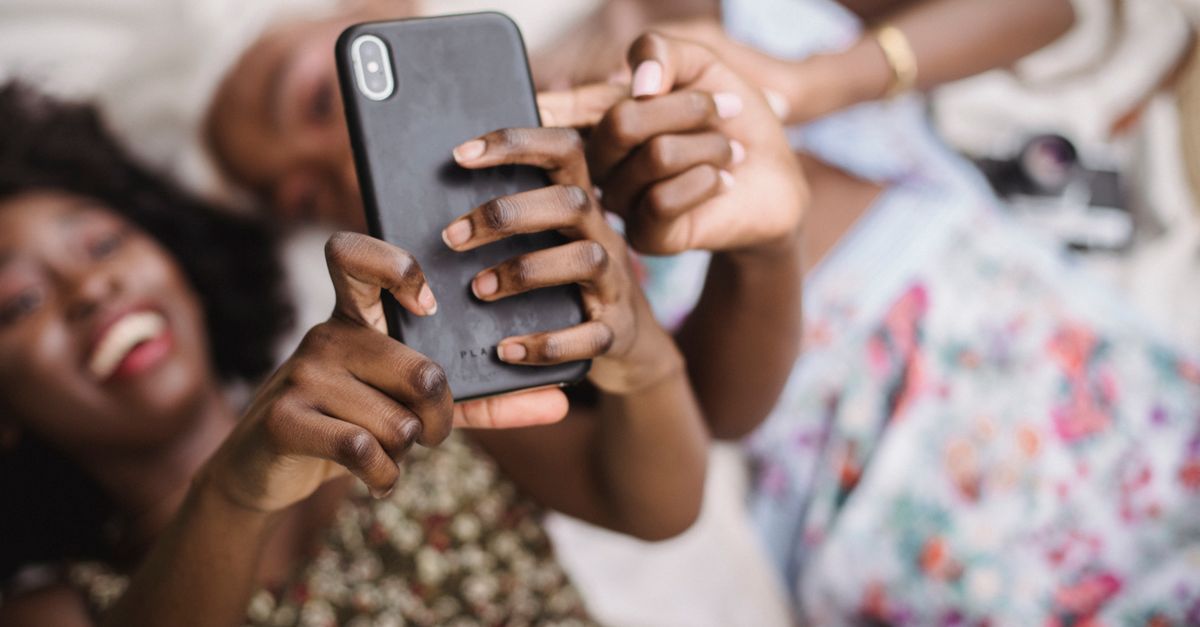
Six Months Without Social Media: My Unexpected Path to Real Connection
The notification sound used to be the soundtrack to my life. Every ping, every buzz, a tiny dopamine hit promising connection, validation, or urgent information. For years, I believed social media was indispensable – a lifeline to friends, family, and the broader world. It felt like the primary way to stay informed, celebrate milestones, and even maintain a professional network. But beneath the surface, a quiet unease had been brewing. I felt constantly overwhelmed, comparing my mundane reality to curated highlight reels, and finding my real-life conversations increasingly punctuated by the urge to pull out my phone. My relationships, paradoxically, felt shallower, relying on superficial likes rather than meaningful interactions. The constant stream of opinions left me feeling anxious and perpetually insufficient. One evening, after scrolling for what felt like hours through vacation photos of people I hadn’t spoken to in years, I hit a wall. I realized I was spending more time consuming other people’s lives than living my own. That night, I decided to embark on a radical experiment: six months without social media. Not just a ‘digital detox’ where I’d sneak peeks, but a complete, cold-turkey logout from every platform, deleting the apps from my phone.
Key Takeaways
- Eliminating social media revealed how much superficial interaction masked a lack of genuine connection in my life.
- The initial surge of ‘missing out’ quickly transformed into profound presence and improved focus in daily tasks.
- Direct communication with friends and family shifted from ‘liking’ posts to initiating intentional, quality interactions.
- A significant mental clarity emerged as the constant comparison and information overload faded from my daily experience.
The Echo Chamber of Absence and the First Waves of FOMO
The first two weeks were brutal. I’m not going to sugarcoat it – the phantom vibrations were real. My thumb instinctively gravitated to where the Instagram icon used to be. The fear of missing out (FOMO) was an almost physical ache. What were my friends doing? Had I missed a birthday announcement? Was there a major news event I was completely unaware of? This initial phase revealed just how deeply ingrained the habit was. It wasn’t just about checking updates; it was a deeply conditioned response, a reflex I’d built over a decade. The mistake I see most often in others attempting a similar break is underestimating this withdrawal phase and giving in too soon. What changed everything for me was actively replacing the ‘checking’ habit with something else immediately. Instead of just staring blankly, I picked up a book, walked outside, or simply sat with my thoughts for a few minutes. I noticed how many times a day I would have previously reached for my phone during mundane moments: waiting for coffee, in line at the grocery store, even during brief lulls in conversation. This constant ‘fill’ with digital noise had prevented me from simply being present, from observing the world around me, or from allowing my mind to wander and connect disparate ideas.
Re-Learning the Art of Intentional Connection
One of the most profound shifts was in how I connected with people. Initially, I worried about falling out of touch. Social media had created an illusion of constant connection, a low-effort way to stay ‘updated’ on dozens, if not hundreds, of acquaintances. But ‘updated’ is not ‘connected.’ In my experience, this constant, passive observation prevented me from initiating genuine interactions. Why call someone to catch up when you’ve already seen their highlight reel? Without social media, the default changed. If I wanted to know what a friend was up to, I had to call them, text them directly, or arrange to meet up. This forced a higher quality of interaction. I wasn’t just ‘liking’ their baby photo; I was asking to meet for coffee to hear all about parenthood. I wasn’t just seeing their vacation photos; I was asking them for recommendations for my own future trip. The conversations were richer, deeper, and more personal. I found myself having fewer, but far more meaningful, connections. It taught me that genuine relationships require active investment, not passive consumption.
A Quieter Mind and Sharper Focus
The constant influx of information, opinions, and visual stimuli on social media creates a relentless demand on our attention. I hadn’t realized the sheer mental load it imposed until it was gone. After the initial FOMO subsided, a remarkable sense of calm settled over my mind. My focus dramatically improved. Tasks that used to feel fragmented and interrupted became sustained efforts. I could read a book for an hour without feeling the urge to glance at my phone. My writing flow became smoother, and complex problems at work felt more approachable because my mind wasn’t pre-fatigued by a scroll-a-thon. The absence of curated perfection also quieted the insidious voice of comparison. I stopped measuring my progress, my home, or my daily joys against an impossible, carefully constructed ideal. This mental liberation was perhaps the most unexpected and valuable outcome. It allowed me to appreciate my own life, in its messy, unfiltered reality, without the constant pressure to perform or compare.
Rediscovering Hobbies and Real-World Engagement
Without the endless scroll as a default time-filler, I found myself with an abundance of time and mental energy. I reconnected with hobbies I’d let slide – sketching, playing my old guitar, and long walks in my local park. These activities, which require sustained attention and offer intrinsic rewards, became deeply satisfying. I also noticed a greater engagement with my local community. Instead of reading about global events on my feed, I was more inclined to talk to my neighbors, frequent local businesses, and engage with local news. This shift from global, abstract concerns to local, tangible interactions fostered a stronger sense of belonging and agency. It made me realize how much social media, while purporting to connect us to the world, can actually disconnect us from our immediate surroundings and the small, impactful actions we can take right where we are.
The Verdict: Reintegration, Not Renunciation
As my six months concluded, I didn’t feel a burning desire to rush back to the platforms. The experience had fundamentally changed my relationship with online interaction. What I learned was that complete renunciation isn’t necessarily the long-term goal for everyone, but intentional reintegration is crucial. When I eventually returned, I did so with strict boundaries. I only re-downloaded one app, turning off all notifications. I follow only accounts that genuinely inspire, educate, or entertain me, actively muting or unfollowing anything that triggers comparison or anxiety. I set specific, limited times for checking. The key is to be the active user, not the passive consumer, and to ensure that any time spent online genuinely adds value to your life, rather than subtracting from your peace and presence. My path to real connection wasn’t found by being ‘online’ more, but by consciously choosing to be ‘offline’ first.
Frequently Asked Questions
How did you handle important news or events without social media?
Initially, I worried about this, but I quickly adapted. I relied on trusted news apps with notifications specifically for breaking news, and I made a habit of checking a couple of reliable news websites once a day. I also found that my friends and family were excellent filters; if something truly significant happened, they would reach out directly. The crucial difference was consuming news intentionally rather than passively absorbing a firehose of information, much of which was often opinion or misinformation.
Did you lose touch with any friends or acquaintances?
Yes, I did. But this was a surprising positive. I lost touch with many casual acquaintances whose connections were primarily sustained by social media likes and comments. The people I truly valued, however, I made a conscious effort to reach out to directly, and those relationships deepened. It served as an excellent filter, showing me who I genuinely wanted to invest my time and energy in, rather than maintaining a wide but shallow network.
How did your productivity or focus change during this period?
My productivity saw a significant boost. Without the constant interruptions and the subconscious urge to check feeds, I found it much easier to concentrate on tasks for longer periods. My deep work sessions became truly deep. My ability to read and retain information improved, and I experienced less mental fatigue by the end of the day. The mental clarity was astounding.
What was the hardest part of going without social media?
The initial two to three weeks were definitely the hardest due to the ingrained habit and the intense feeling of FOMO. Overcoming the physical habit of reaching for my phone and the mental anxiety of ‘missing out’ required consistent effort and finding alternative, healthier ways to fill those small pockets of time.
Do you plan to stay off social media permanently?
Not permanently, but with a drastically different approach. My goal was never complete renunciation but rather re-establishing a healthy, intentional relationship with it. I now use a highly curated feed, no notifications, and strictly limited check-in times. The six months taught me to be the master of the tool, rather than letting the tool master me.
The six months without social media felt like hitting a reset button on my attention, my relationships, and my sense of self. It wasn’t just about disconnecting; it was about rediscovering what true connection felt like, both with others and with my own inner world. If you find yourself constantly distracted, comparing, or simply feeling overwhelmed by the digital noise, I highly recommend a similar intentional break. Start small, set clear boundaries, and be prepared for the quiet clarity that follows. You might just find your own unexpected path to real presence.
Written by Maya Rodriguez
Home organization, time management, community engagement
A retired urban planner with a knack for simplifying complex systems into manageable steps.
You Might Also Like

60 Minutes to a Cleaner Home: Why Most Speed Cleaning Fails
Discover why common speed-cleaning methods don't work for lasting results and how a strategic 60-minute approach actually transforms your home.

7 Non-Obvious Reasons Your Car Won't Start (Beyond a Dead Battery)
Discover 7 unexpected reasons your car won't start, from parasitic drains to fuel system quirks, beyond the usual dead battery diagnosis.
A Clicking Car Engine Does Not Always Point to the Battery
Many assume a clicking car engine means a dead battery. Learn why this common belief overlooks other crucial issues.